I have always found meteorology, climate and climate change fiendishly complicated subjects. Once you take one pace forward in any of these realms you get bogged down in mathematical and physical complexity. The search for simple answers to straightforward question is often frustrated. At the same time everyone has immediate access to an abundance of data the like of which has never been seen in any past era.
In this post, I take a little tour through the topic of July 2026 UK drought using the University of Maine’s Climate Reanalyser tool. This tool allows the user to create maps and charts which display averages and anomalies of a variety of weather parameters compared to a climatological data baseline, which the user can also choose. So for starters, there are a lot of heavily loaded scientific decisions here. I have gone for the first provided option which is an ECMWF (European Centre for Medium Range Weather Forecasting) data set, because I regard the ECMWF as having an excellent reputation in the field of operational meteorology.
The Weather of July 2026
A good authoritative start to the background of the topic can be found on the UK Met Office blog at Deep dive: July’s remarkable weather and what comes next – Met Office.
One thing to bear in mind is the difference between weather (what is currently happening in meteorology here and now) and climate (the average conditions computed over a long period).
The Climate is Changing
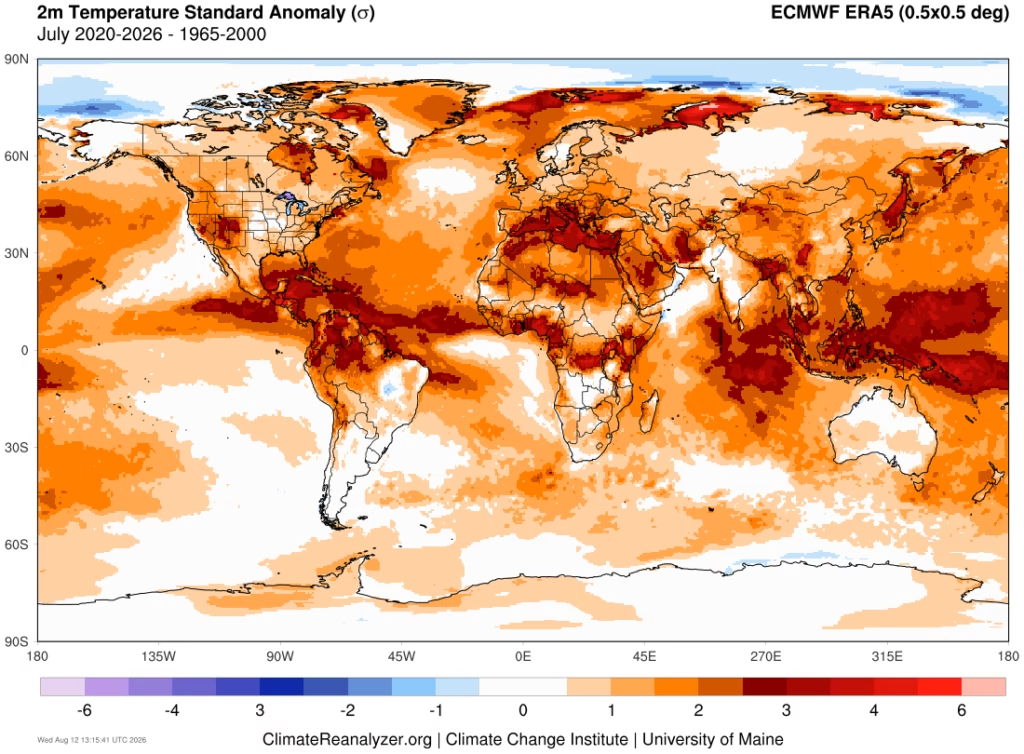
Global warming is a thing. Just about everywhere in the world there is a positive standard temperature anomaly since 2020 when compared to the data before 2020 for my lifetime. The choice of standard anomaly is sensible because it shows a measure of anomaly compared to the variation inherent within the climate data.
Does this mean less rain for the UK?
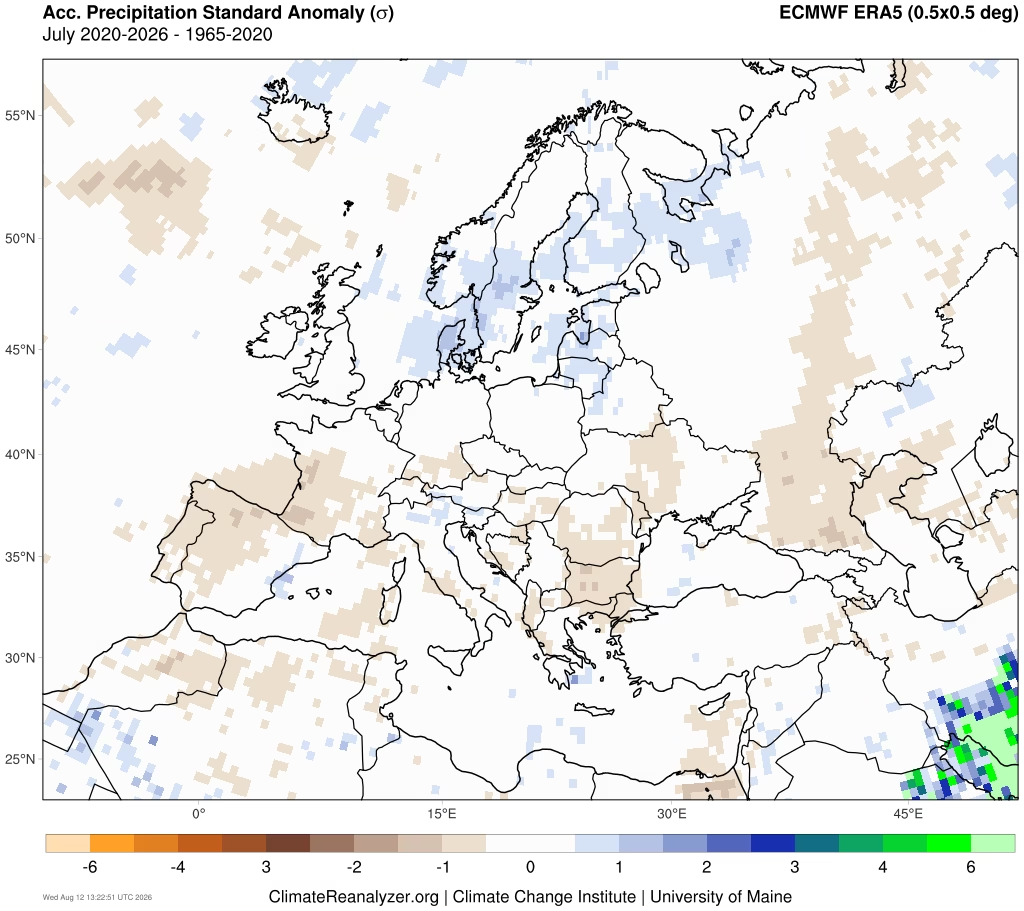
In this tour, not really. There are only small changes for Europe in the precipitation anomaly using the same time periods as above and pretty much no change for the UK.
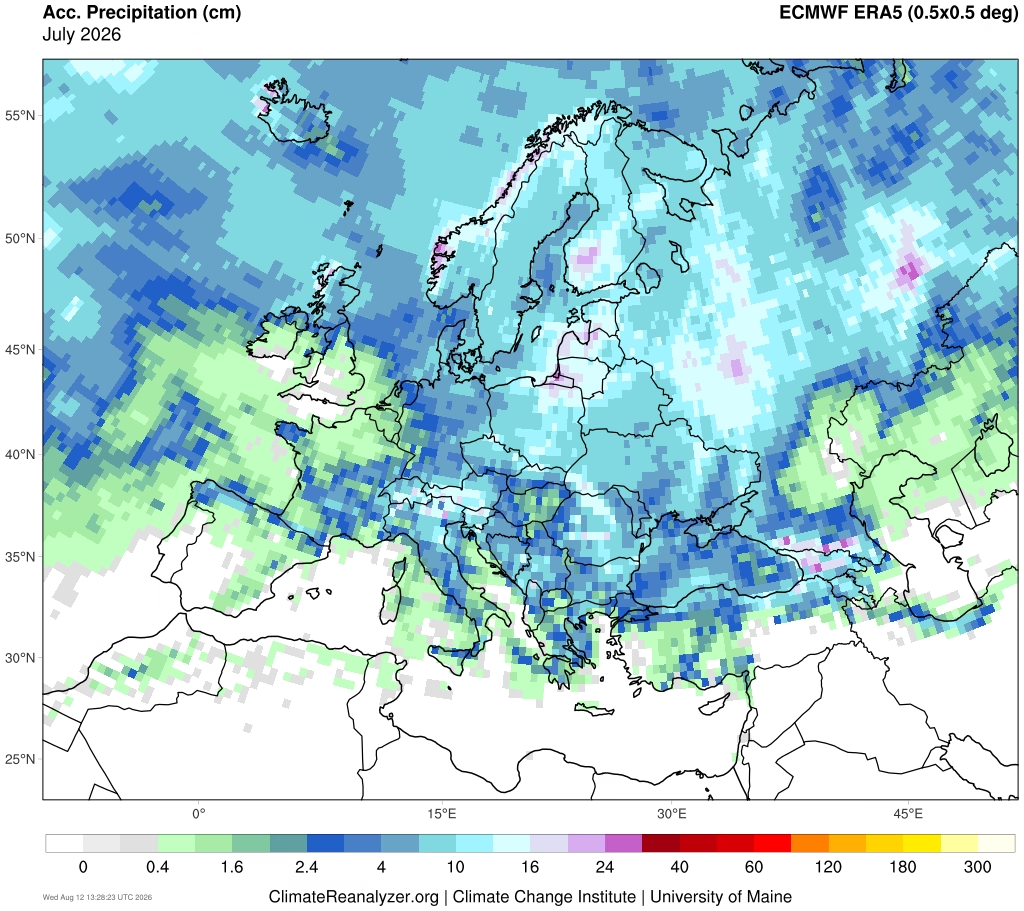
But what about precipitation for July 2026?
Well that right down, as we know, for July 2026. England and Ireland (except NI) getting only a trace of rainfall.
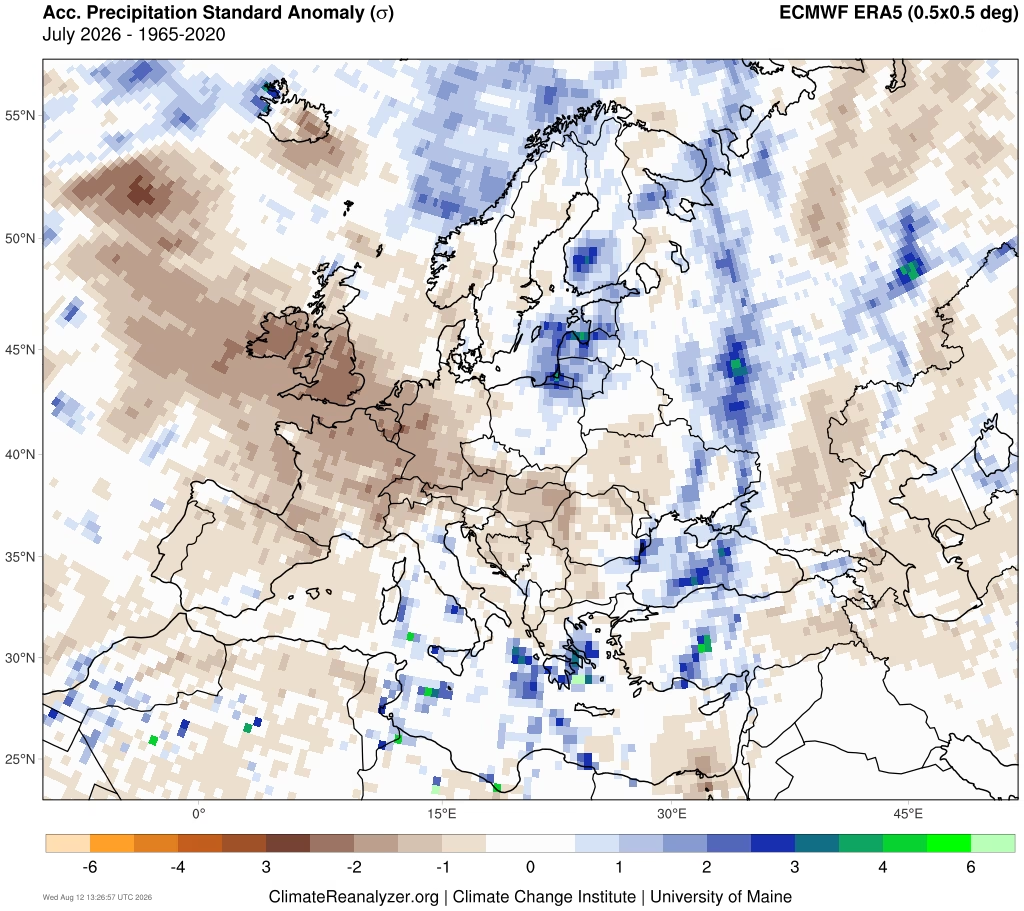
And the anomaly?
Well that’s down a good few cm, in what is expected to be a dry month of the year.
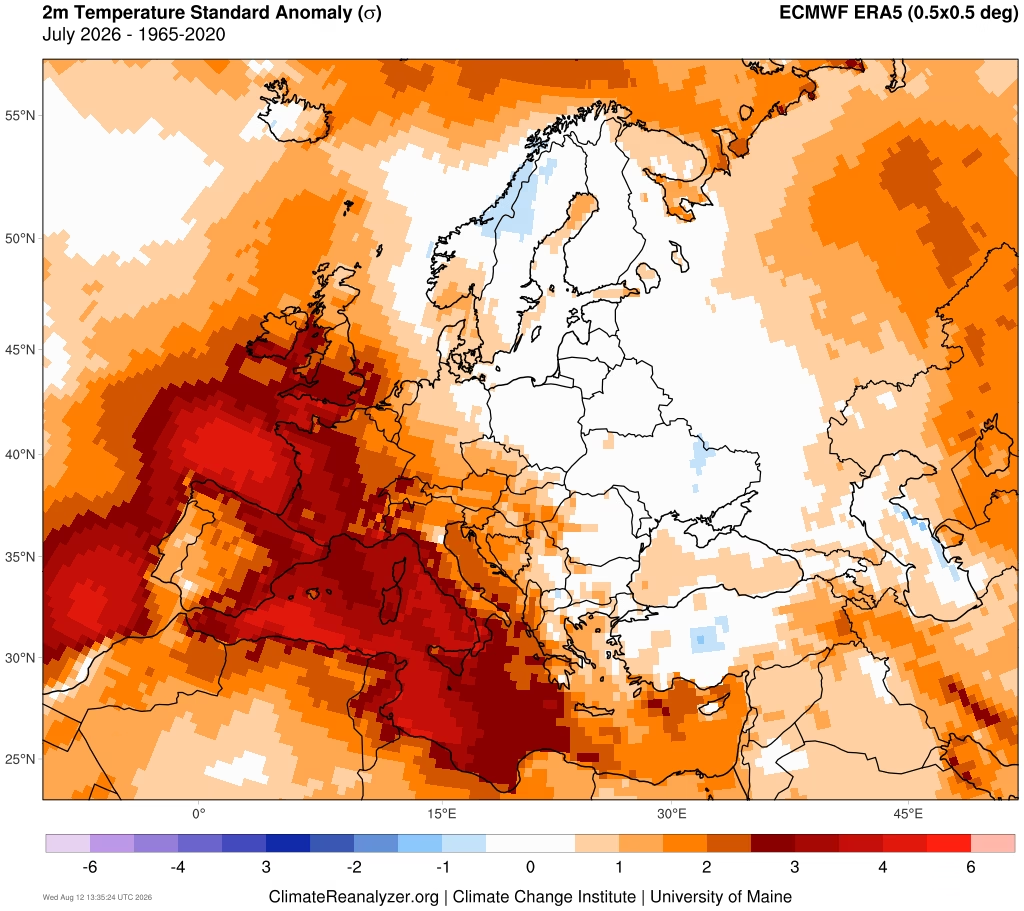
and the Temperature?
Well that’s up 2 or 3 degrees in the south of the UK.
Climate or weather?
The temperature anomaly has to be attributable in part to climate change, which I have accepted as a fact above. The lack of rainfall may just be weather systems which also add a little to the temperature anomaly.
High pressure anticyclones
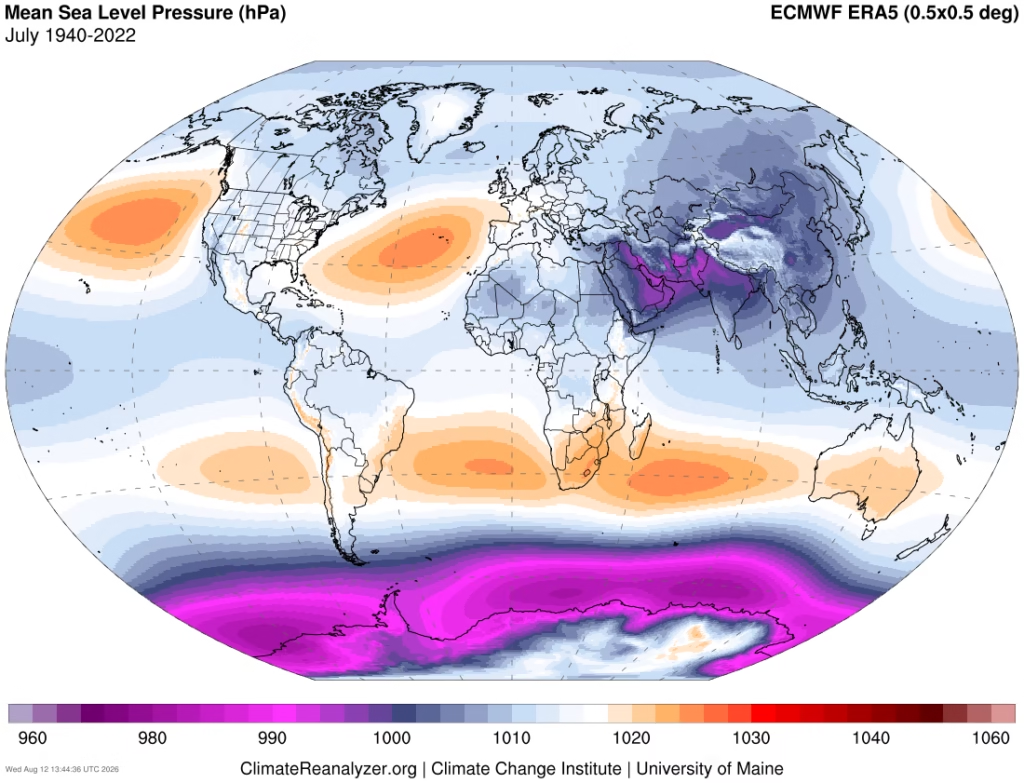
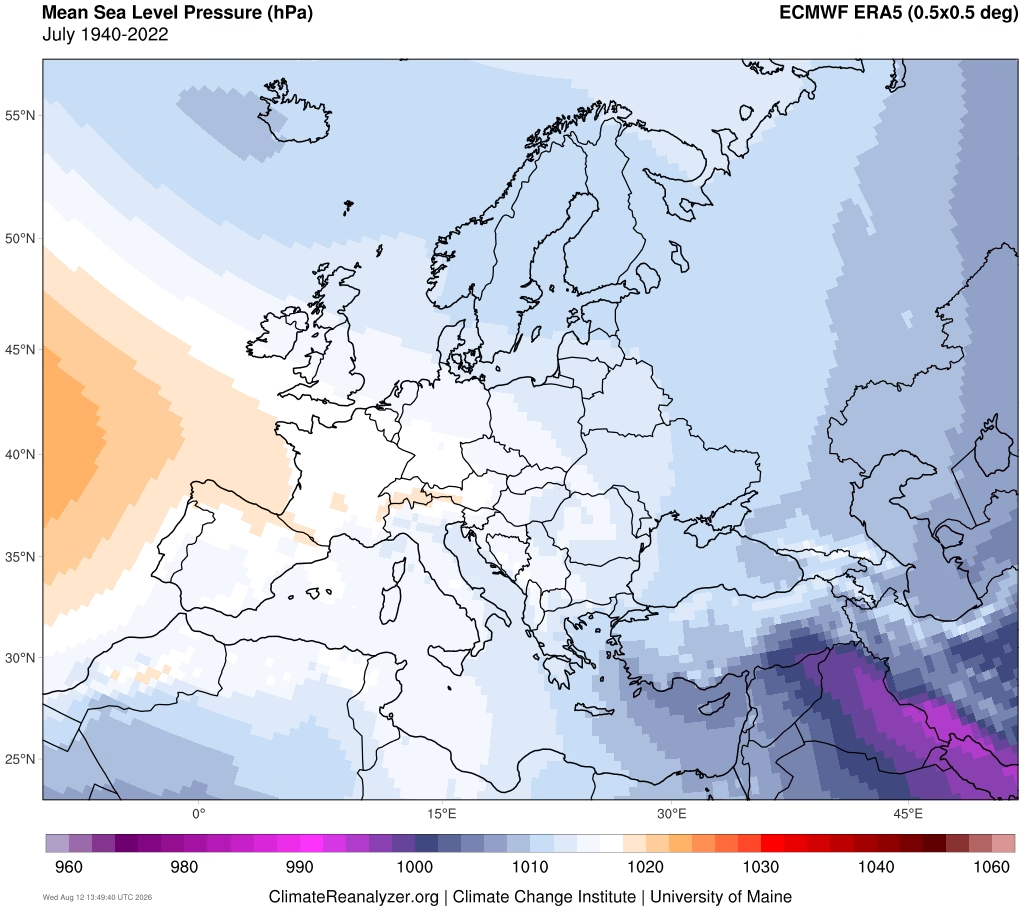
The general circulation theory for the Earth leads to conclude that there is a pattern of high pressure in the subtropical regions. Average of mean sea level pressure (MSLP) over the period since 1940 shows this, with particularly emphasis over the oceans. For the North Atlantic the Azores are earning their right to be associated with the high pressure area which influences the UK summer.
A closer look at the European region gives us the following.
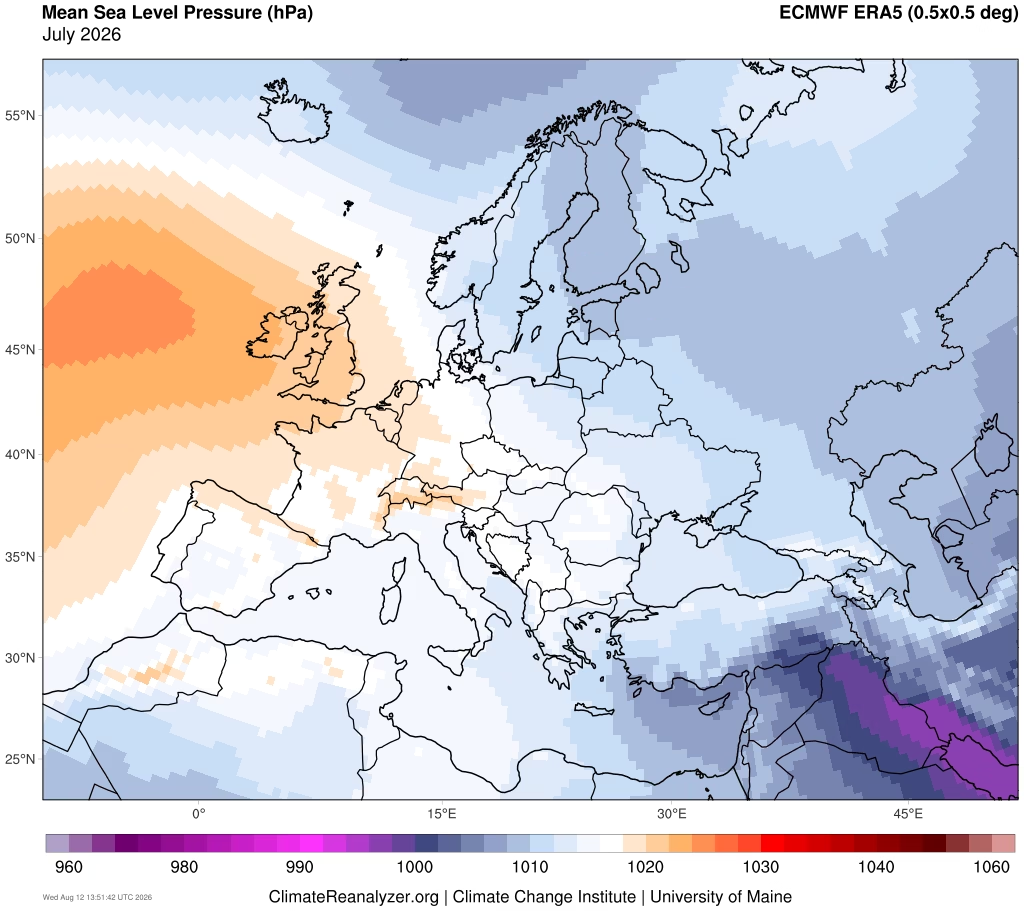
But what about the MSLP for July 2026?
This region of average high pressure is much further north than usual. This is beacuse the UK has been subject to slow moving, blocking anticyclones giving persistent high pressure conditions which lead dry conditions.
Cause of drought – weather or climate change?
Well warmer temperatures must, in part, be attributable to climate change. The lack of rainfall may be more about the persistence of high pressure weather systems over the southern UK, or ‘blocking highs’. Blocking highs are a normal part of the weather in all years. So the drought is down weather, albeit with affects exacerbated by climate change.